Design & Developed by Themeseye

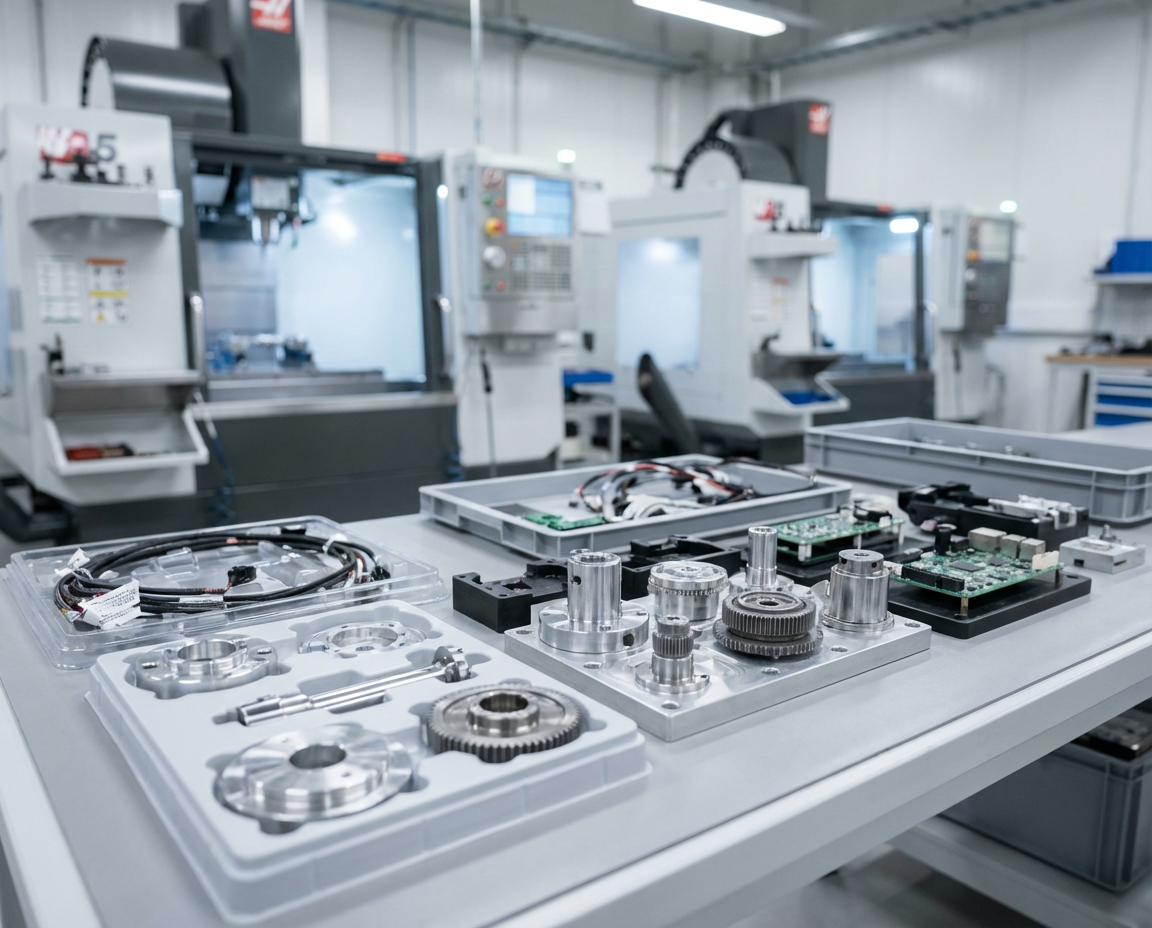
Electromechanical assemblies play an essential role in today’s industrial products. From medical diagnostic equipment to commercial automation systems, these assemblies support reliable performance by combining mechanical components with electrical elements. With the correct design, these mechanical assemblies reduce failures, improve efficiency, and streamline manufacturing.
For teams depending on sheet metal fabrication and metal stamping, choosing the right design approach makes a measurable difference. The goal is not complexity, but precision, repeatability, and clear function. Designing electromechanical assemblies the right way ensures that every part fits, aligns, and performs as intended.
This guide highlights practical steps for designing simple, repeatable electromechanical assemblies that support production needs in Canada’s industrial sector.
Before development begins, each assembly requires a defined functional purpose. Simple electromechanical assemblies work best when every part has one clear job. This minimizes risk, improves manufacturability, and avoids unnecessary design complications.
Key considerations include:
A clear functional map prevents future redesign and helps create mechanical assemblies that are easy to fabricate and replicate.
Material choice influences strength, formability, and long-term durability. For simple assemblies, the focus remains on metals that offer predictable performance during stamping, machining, and bending.
Effective approaches include:
Reliability comes from selecting metals that support consistent manufacturing outcomes.
Electro-mechanical assemblies function best when each part is easy to reproduce. Designing with traditional sheet metal processes and 3-axis CNC machining in mind helps maintain accuracy and reduce production time.
Practical guidelines:
Assemblies designed for straightforward fabrication result in fewer errors and predictable production performance.
Simple layouts often outperform complex ones in electromechanical systems. Each additional component increases the chance of misalignment, inconsistent assembly, or extra manufacturing costs.
A proper design keeps:
The design should support short production cycles, stable performance, and dependable electromechanical assembly solutions and processes.
Before full production, assemblies benefit from practical testing. Prototyping identifies potential concerns with mounting, fit, and movement. Functional testing confirms the assembly performs reliably under expected conditions.
Testing typically evaluates:
A validated prototype builds confidence before moving into production.
Clear documentation ensures that production teams fully understand how each electromechanical assembly operates and how its components interact.
Strong documentation for an electromechanical assembly includes:
Reliable documentation improves quality control and enables long-term repeatability across batches.
Also Read:
The Top Advanced Industries That Rely on Electromechanical Assemblies
Unique Challenges with Mechanical Assemblies and Ways to Address Them
How Design-for-Manufacturability (DFM) Drives Mechanical Assembly Efficiency
Designing electromechanical assemblies the right way requires clarity, simplicity, and a strong understanding of manufacturing capabilities. When assemblies align with sheet metal fabrication techniques and 3-axis CNC machining, production becomes efficient, repeatable, and dependable.
Promark Tool and Manufacturing supports this approach by providing precision-manufactured components and straightforward electromechanical assembly services. This practical and time-tested approach works well for industrial and medical applications.
Connect with trusted mechanical assembly companies, such as Promark Tool and Manufacturing, to discuss precision-built components for upcoming projects.