How Project Managers Evaluate Metal Fabrication Companies Across Canada
Selecting the right metal fabrication partner is a critical decision for project managers across Canada. Fabrication performance affects timelines, compliance, repeatability, and long-term reliability. A structured evaluation process helps reduce risk and ensures production aligns with operational requirements.
Project managers typically evaluate top metal fabrication companies in Canada through a combination of technical, operational, and process-based criteria. Understanding these evaluation factors clarifies what matters most when selecting a long-term manufacturing partner.
Understanding Project Scope and Fabrication Requirements
Project evaluations begin with a clear scope definition. Project managers assess whether a fabrication company can consistently meet specified requirements without unnecessary complexity.
Key considerations include:
- Part geometry and dimensional tolerance requirements
- Volume expectations and repeatability
- Material compatibility for industrial and medical components
- Integration with upstream and downstream processes
Fabrication partners that focus on precision components, progressive stamping, and repeatable 3-axis CNC machining tend to align well with clearly defined production scopes. Overextended capabilities often introduce unnecessary risk.
Assessing Technical Capabilities and Equipment
Technical alignment plays a central role in the evaluation of fabrication. Project managers look for equipment that matches real-world production needs rather than theoretical capacity.
Evaluation typically focuses on:
- CNC machining accuracy using 3-axis systems
- Progressive die design and metal stamping capability
- Tooling consistency across production runs
- In-house machining support for ongoing revisions
A well-maintained 3-axis CNC environment enables reliable manufacturing of a wide range of industrial and medical components. Precision, consistency, and control matter more than machine complexity.
Evaluating Experience and Industry Alignment
Experience signals predictability. Project managers evaluate how long a fabricator has been operating and whether that experience aligns with regulated or compliance-driven industries.
Important factors include:
- Longevity in metal fabrication and stamping
- Proven delivery of precision components
- Experience in manufacturing parts for medical device applications
- Familiarity with compliance-driven production environments
Fabricators with decades of operational history demonstrate stability, process maturity, and the ability to support long-term production programs.
Quality Management and Process Controls
Quality systems are often a deciding factor in vendor selection. Project managers require confidence that parts will meet specifications across every production cycle.
Evaluation criteria typically include:
- ISO 9001 certification and audit history
- Documented process controls
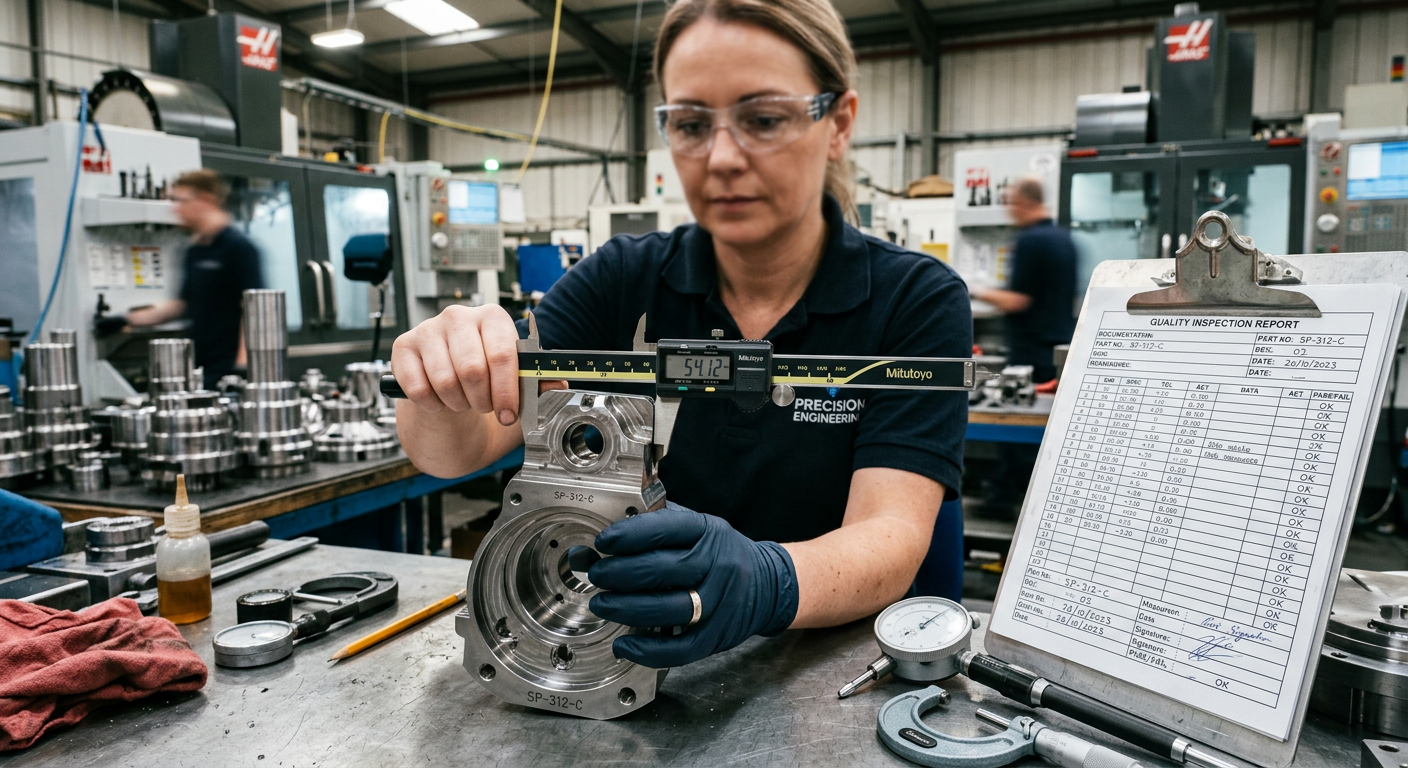
- Traceability and inspection protocols
- Continuous improvement practices
Quality management systems assure that manufacturing outcomes remain consistent, verifiable, and compliant over time.
Communication, Project Management, and Responsiveness
Clear communication reduces friction throughout the production lifecycle. Project managers assess how fabrication partners manage coordination, revisions, and ongoing production support.
Strong fabrication partners demonstrate:
- Clear documentation practices
- Structured project handoffs
- Consistent production updates
- Direct communication channel
Reliable responsiveness supports smoother production flow and reduces delays caused by misalignment or unclear expectations.
Lead Times, Capacity, and Delivery Reliability
Delivery performance directly impacts project success. Project managers evaluate top metal fabrication companies based on their ability to meet agreed timelines without sacrificing quality.
Key considerations include:
- Realistic lead time commitments
- Production capacity planning
- Repeatable scheduling practices
- On-time delivery history
Reliable fabricators prioritize controlled capacity growth and disciplined scheduling to maintain delivery consistency.
Also Read:
Understanding Different Stages in Custom Metal Fabrication
Smart Material Choices That Define Sheet Metal Box Fabrication
How Custom Sheet Metal Fabrication Powers Innovation in the Aerospace Industry
A Proven Canadian Manufacturing Perspective
Since 1971, Promark Tool and Manufacturing has supported Canadian manufacturers with precision stamping, CNC machining, prototyping, and simple electromechanical subassemblies. Operating in Canada, the company has maintained ISO 9001 certification for nearly three decades and holds AS9100D certification.
That experience reflects the evaluation standards project managers continue to apply across Canada today.
Organizations seeking dependable, precision-driven metal fabrication can contact Promark Tool and Manufacturing.