Emerging Forces Redefining Metal Stamping in the Years Ahead
Metal stamping remains a fundamental process in modern manufacturing. Across Canada, the process continues to evolve as industries demand higher precision, better efficiency, and more adaptable production models.
The coming years will bring changes to metal stamping services that will influence how components are designed, manufactured, and delivered. For companies that rely on metal fabrication, understanding these developments helps improve planning, supplier collaboration, and long-term competitiveness.
Below are several emerging forces expected to redefine metal stamping in the coming decade.
Material Innovation Is Changing Die and Tooling Strategies
Advances in engineered metals are influencing the way stamping dies and tooling systems are designed. Manufacturers increasingly work with specialized alloys and thinner materials that require tighter control during the stamping process.
These material developments influence tooling strategies in several ways:
- Tooling must maintain consistent tolerances across long production cycles.
- Die durability becomes critical when working with advanced materials.
- Surface finishes and edge conditions require closer monitoring.
As materials evolve, manufacturers must adapt tooling approaches to ensure repeatability and production stability.
Precision Expectations Are Tightening Across Industries
Precision standards continue to rise across many sectors that depend on stamped components. Digital measurement systems and modern equipment have increased expectations for dimensional accuracy.
Metal stamping service providers are now expected to deliver:
- Consistent tolerances across high-volume production
- Reliable repeatability between batches
- Accurate integration with downstream processes such as machining and assembly
This shift places greater emphasis on quality management systems, inspection protocols, and process control throughout the stamping cycle.
Automation and Smart Monitoring in Press Operations
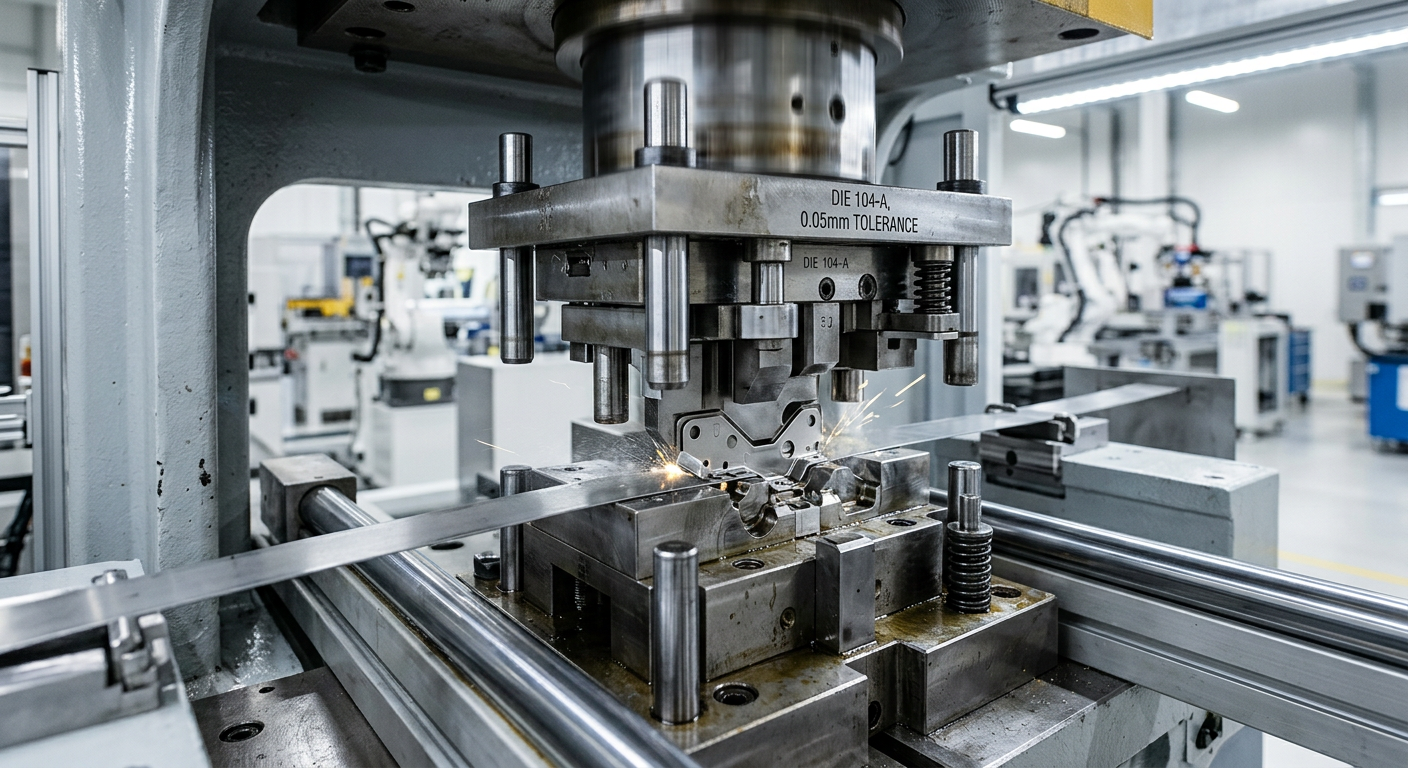
Automation is becoming a defining factor in modern press operations. Monitoring systems now track machine performance, tooling wear, and production consistency in real time.
These technologies allow manufacturers to:
- Detect irregularities before defects occur
- Improve overall production efficiency
- Reduce unexpected downtime
- Maintain consistent part quality
Automation also supports safer operations and helps manufacturers maintain predictable output in demanding schedules.
Sustainability Pressures Are Reshaping Production Models
Sustainability has become an important consideration in manufacturing decisions. Custom metal stamping companies are increasingly focused on minimizing waste and improving resource efficiency.
Key areas of focus include:
- Optimizing material utilization during stamping
- Reducing scrap through improved die design
- Improving energy efficiency across press operations
- Implementing recycling programs for metal offcuts
These initiatives help reduce environmental impact while also improving operational efficiency.
Shorter Product Lifecycles and the Need for Production Flexibility
Product development cycles are becoming shorter across many industries. As a result, manufacturers must adapt quickly when designs change or production volumes shift.
Flexible stamping operations help address these challenges by allowing
- Faster die adjustments and tooling modifications
- Efficient transitions between production runs
- Greater responsiveness to evolving component designs
Manufacturers capable of adapting production without sacrificing precision are better positioned to support changing market demands.
Workforce Skill Evolution in Metal Stamping
Technology and automation are transforming the skill requirements within the metal stamping industry. While traditional craftsmanship remains essential, modern operations increasingly require technical expertise.
Today’s workforce often focuses on:
- Advanced equipment operation
- Quality inspection and measurement systems
- Tooling maintenance and optimization
- Data monitoring and process analysis
Investing in skilled personnel ensures stamping operations continue to deliver consistent performance as technology evolves.
Also Read:
How Metal Stamping Experts Craft Lightweight Metal Products
The Advantages of Custom Sheet Metal Stamping in Modern Manufacturing
Key Trends and Predictions in Metal Stamping – What the Next Decade Holds
The Strategic Shift From “Parts Supplier” to “Manufacturing Partner
Metal stamping continues to evolve alongside broader manufacturing trends. Material innovation, automation, sustainability goals, and workforce development will likely shape the industry in the years ahead.
Another shift affecting the industry involves how manufacturers collaborate. Companies increasingly seek metal stamping companies that understand the entire production environment rather than simply supplying individual components.
Manufacturing partners often contribute through:
- Engineering insights during component design
- Production planning expertise
- Consistent quality management
- Support for repeatable electromechanical component assemblies when required
This collaborative approach improves efficiency across the supply chain and strengthens long-term production strategies.
Promark Tool and Manufacturing supports Canadian manufacturers with metal stamping, machining, and repeatable electromechanical component assemblies. Contact Promark Tool and Manufacturing to learn more about current industry trends and manufacturing insights.